Farmer, Electrician, Railroad Inspector, Attendant at VA Hospital, Retail Sales, Barber, Dress Maker, Homemaker, are representative of occupations that were prevalent in the years around the great depression of 1929 in Georgia. Our Kindred Ancestors made a living in all of the above professions.

James Elmer HOPKINS b 1886 d 1950 lived in Atlanta GA area. He was reported to be a farm laborer when he was just 13 years old and he eventually settled into the occupation of a barber for at least 10 years.
Myrtle Faye DENTON HOPKINS b 1890 d 1985 was a homemaker and raised 5 children. Originally from TN and settled in Atlanta with her husband James Elmer.
William Washington BARKER b 1898 d 1977 was an electrician after he came back from World War I. At age 32 he worked for the railroad as a car inspector and finally ended his career as an attendant at the Veteran’s Administration Hospital. Lived in Augusta GA.
Essie Lee INGLETT BARKER b 1893 d 1980 worked in the 5 & 10 (nickel & dime variety) store and as a sales woman at a florist before she married William Washington in Augusta. She was a homemaker throughout her married life and raised their daughter.
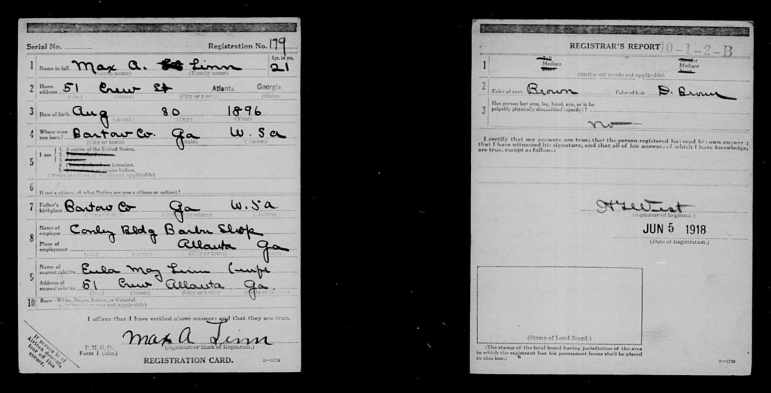
Max Augustus LINN b 1896 d 1952 was also reported on the census records to be a farm laborer when he was a young lad of 13. He like, James Elmer HOPKINS, also eventually became a barber in Atlanta. Keeping a trim look must have been quite popular in those days.
Eula Mae HOLDER LINN b 1900 d 1993 was a young wife to Max Augustus and homemaker raising her children in Atlanta. By the 1940 census, she was working as a dressmaker. She was quite an active seamstress on the side and did a lot of sewing for her sister.
John Wesley DEAN b 1885 d 1965 was a farmer throughout his entire life in rural south Georgia in a place called Waycross (the railroads converged in this town and “crossed”), near the Willacoochee River and the Withlacoochee River in Atkinson County.
Bessie BURKHALTER DEAN b 1896 d 1971 married John Wesley as a young woman like Eula Mae HOLDER, and was a homemaker raising 9 children on the farm. Hard working gal.
 It’s pretty easy to connect with a first generation of ancestors. Normally there are memories, pictures, possessions, and documents. The hardest thing about making and celebrating these connections is our perspective and personal relationships we had with the deceased.

 Looking for the fourth tier of kindred dead and beyond, makes one grateful for the internet and the ease of searching all kinds of records like immigration, census, wills, and deeds. The practice of burial with headstones is much appreciated for it is there you find proof of their existence. It’s common to learn birth and death dates. On a really good day of research you might find other family members in the same cemetery.
 Our parents had parents. Their parents had parents and the pattern is repeated. They are like an infinite to us. Our ancestors existed, regardless of our ignorance of them. Discovering them and learning about the circumstances of the times and places they lived can expand our thoughts, imagination and compassion. They, like us, were and are fellow travelers in this journey through life. Recognizing they had hardships and challenges can help us try to do our best on our own paths.
 Although not a sister, Lindon C. HOLDER, the only son of James and Alma was born on the 24th of Sept in 1899. He died at 15 months of age on 18 Dec 1900.





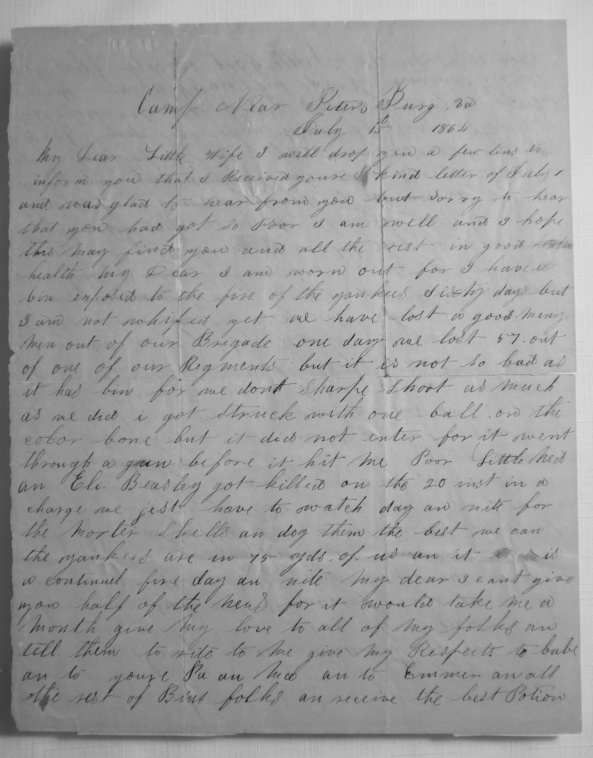
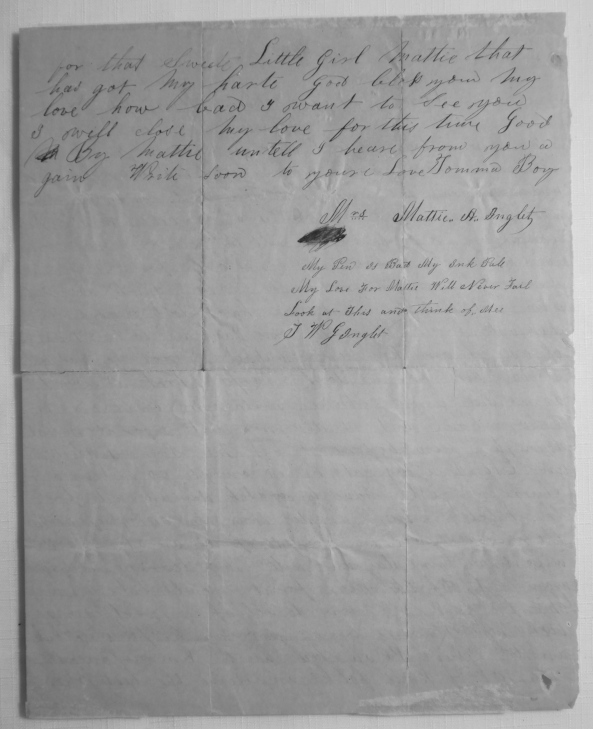 Thomas Wilkes Glascock INGLETT left his sweet wife, Martha A. PALMER, with 3 children to fight in the Civil War. They carried on their courtship throughout the conflict through letters. T.W.G. INGLETT was 25 years old when he wrote the above tender letter to his 21 year old sweetheart wife back at home in Columbia County, GA, outside of Augusta, GA.
 My Kindred Tree